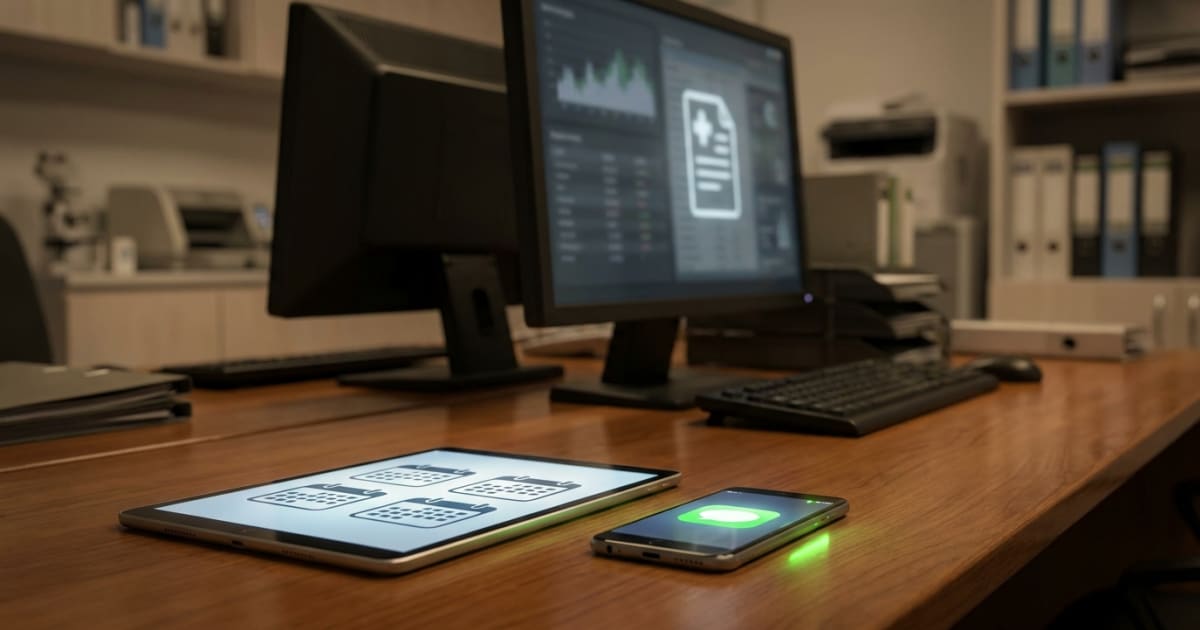
Private clinics in Malaysia often feel pressure to “digitise everything” after a few busy weeks of missed calls and chat backlog. The marketplace response is usually a long list of clinic management system products. That label is broad. It can mean billing, inventory, clinical notes, multi-branch admin — or simply online booking with a heavy name.
If your main pain is getting patients into the right slot and protecting show-up, start by naming the layer you need: appointment + communication. That is different from replacing clinical records software. LamaniHub is built for the appointment layer (booking, WhatsApp AI receptionist patterns, reminders) — not as a full CMS/EMR rebrand.
Strip the CMS primary chase
Head terms like “clinic management system Malaysia” attract buyers who want a full operations suite. That SERP is crowded with EMR/CMS products and agency-style software. Chasing it as a primary product story pulls the wrong buyer into the wrong evaluation.
Use CMS language only for boundary and comparison: what an appointment system is, what it is not, and when a full stack is actually required. Do not rebrand an appointment product as “the clinic system.” That confuses searchers and creates compliance risk if clinical features are implied but not delivered.
Practical filter for clinic owners:
- Communication pain (WhatsApp, after-hours, slow reply) → appointment + AI receptionist layer.
- Schedule pain (double books, no confirmation trail, weak reminders) → appointment system.
- Clinical records / multi-module ops pain → evaluate CMS/EMR with clinical stakeholders, not marketing alone.
Clarify LamaniHub = appointment layer only
LamaniHub is a clinic appointment system with WhatsApp-led workflows and AI receptionist patterns for Malaysian private clinics. The job-to-be-done is simple: turn enquiries into confirmed appointments, send reminders, and reduce front-desk chaos — without forcing a full software replacement on day one.
What that typically includes in product terms:
- Online booking paths patients can complete without staff ping-pong.
- WhatsApp as a familiar entry channel, with structured confirmation behind it.
- Reminder workflows that support show-up (results vary by clinic process).
- Clearer schedule visibility for the team handling the front desk.
What that does not mean: full electronic medical records, pharmacy modules, insurance claims engines, or “one system for every clinic department.” Those belong to CMS/EMR vendors. Keep the story honest so buyers compare the right tools.
For feature detail, see the features overview and online booking. For category positioning on AI front desk, see AI receptionist for clinics.
Soften EMR language (and avoid overclaim)
EMR and clinical software decisions need clinical leadership, data governance, and often longer procurement. Marketing pages should not promise clinical outcomes, guaranteed patient volume, or “replace your doctor software overnight.” Keep claims operational and soft: fewer missed enquiries, clearer booking status, more consistent reminders — always dependent on how the clinic runs the process.
If you already have a CMS/EMR, ask a narrower question: Does our current stack still leave WhatsApp and after-hours booking messy? Many clinics answer yes. In that case, an appointment layer can sit in front of patient communication without a full stack swap. Validate any integration or data-handling needs with your vendors and PDPA policies before you connect systems.
Side-by-side: appointment system vs clinic management system
| Layer | Clinic appointment system | Clinic management system / EMR |
|---|---|---|
| Primary job | Book, confirm, remind, coordinate slots | Clinical records + multi-module clinic ops |
| Typical buyer pain | Missed WhatsApp, after-hours, no-shows | Notes, billing depth, inventory, full admin |
| Time-to-value focus | Front desk + patient communication | Organisation-wide process change |
| LamaniHub position | In scope (appointment + WA AI receptionist) | Out of primary scope (not EMR/CMS) |
How to decide without buying the wrong stack
- List the top three operational pains this month (not a vendor feature checklist).
- Map each pain to communication, appointment, or clinical-records layers.
- Pilot the thinnest layer that removes the biggest daily load.
- Keep clinical software changes on a separate timeline with proper review.
If appointment chaos is the bottleneck, start with a focused appointment system and WhatsApp workflows. Compare that path with generic booking software when you need clinic-specific scheduling behaviour — not a vague “clinic system” label.
Bottom line
A clinic appointment system and a clinic management system are not interchangeable. Use CMS/EMR language for boundary education only. Keep LamaniHub’s story on appointment booking, WhatsApp AI receptionist workflows, and reminders for Malaysian private clinics — without medical advice, without guaranteed patient volume, and without pretending to be full clinic management software.